The Journey of Curry from India to Europe
The term "curry" is actually a late invention that goes back to the colonial period of the English in India. It is derived from the Tamil word "kari", which translates as stew, soup or sauce. The first Indian immigrants who came to Great Britain at the height of the English colonial power wrote their own curry history - and "kari" quickly became "curry". Since we're on the subject of terminology: the curry mixer also has its own name in India, namely "masalchi". It is responsible for fine-tuning the individual curry powder components. The "masala" we know here is derived from this term, such as the "garam masala" from northern India.
From England, curry's success story began throughout Europe - although its taste is milder and more subtle than in its country of origin, India.
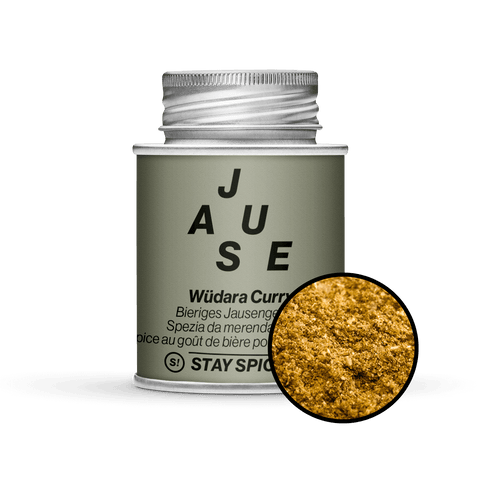
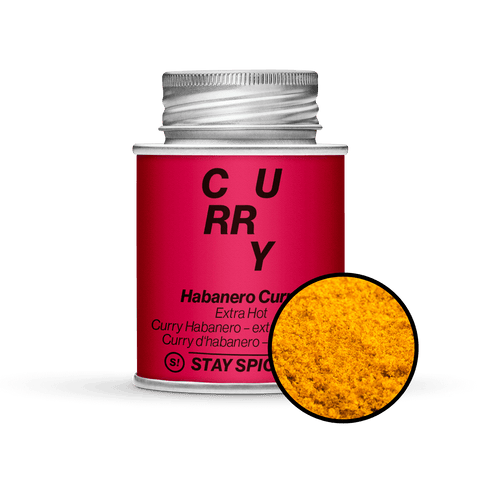
From fresh'n'fruity to hardcore-spicy: the STAY SPICED ! Curry spice blends
Rule of thumb: A curry should consist of at least three spices - in practice, it can be up to 20 individual pure spices. That's why you'll find over 20 different curry spice blends at STAY SPICED! Because, as we all know, tastes differ - and we want to show you the whole variety of curry powders! Because there's just so much to taste and discover - and we want you to experience it all with your own taste buds. In any case, "classic" curry ingredients such as cumin, cardamom, turmeric, fenugreek, ginger, cloves, mustard seeds and cinnamon always play an important role in the curry spice blends. They are varied in different quantities and supplemented with other spices to achieve the most diverse curry variations.
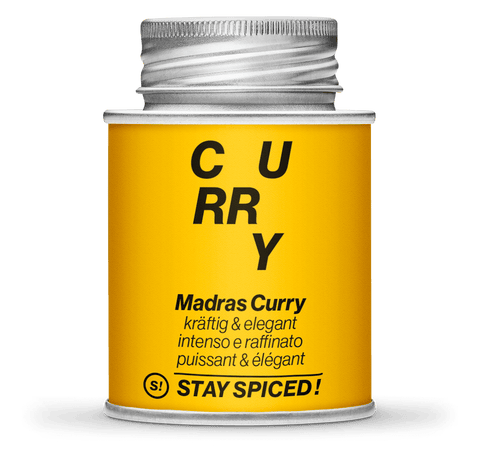
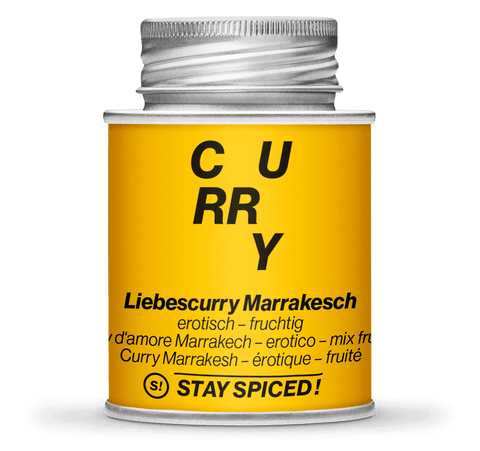
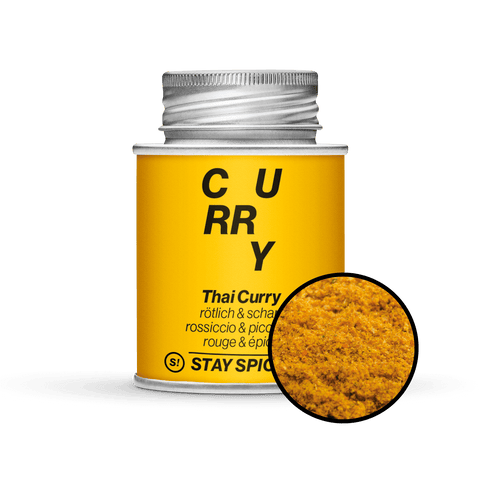
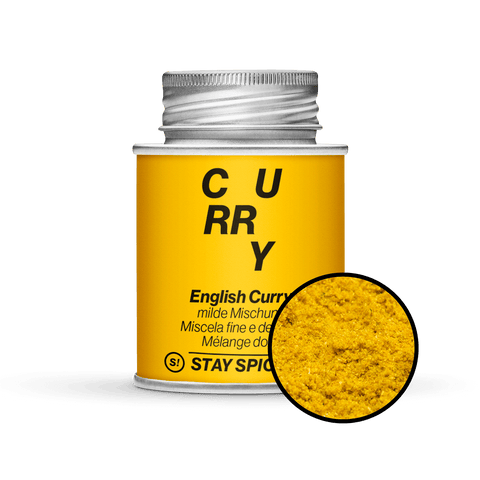
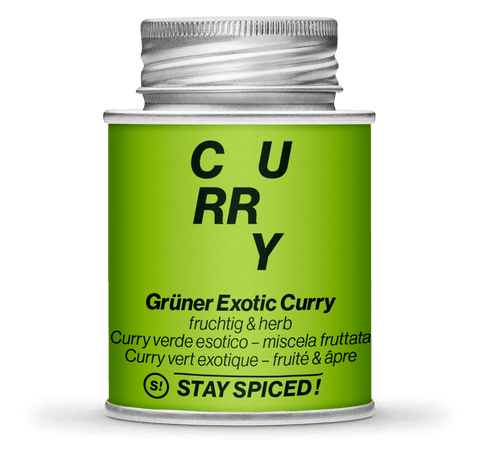
In our STAY SPICED! range you will find curry classics such as the delicately mild English curry, the dominant Madras curry from South India, the reddish-hot Thai curry, the spicy Jaipur curry and the fruity, fiery red Chiang Mai curry with hibiscus and ancho chili (crazy - and simply brilliant!). If you like trying new things, you should try the Green Exotic Curry with mango, coconut and lemongrass or the Marrakesh Love Curry - with vanilla, hibiscus, smoked paprika and pink berries, it is an absolute taste highlight. "What's going on?!" you might ask yourself when you try the purple curry: it gives the dishes a reddish-purple "Purple Rain" color with beetroot powder.
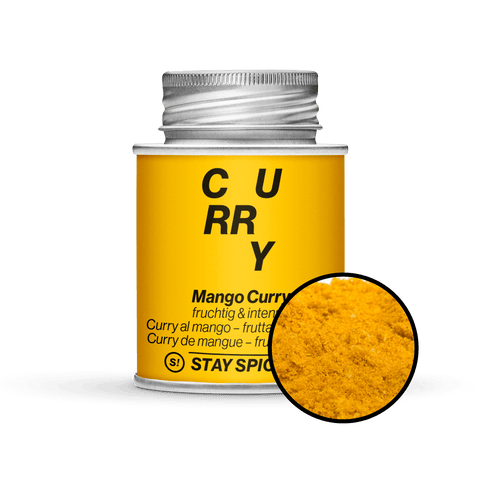
Another highlight are the fruity curry spice mixes from STAY SPICED!, including pineapple curry, strawberry curry, mango curry and banana curry. They are not only great in spicy dishes, but also invite you to experiment. Have you ever tried a curd cream with mango curry, for example? Or chocolates with white chocolate and pineapple curry? Then it's time!
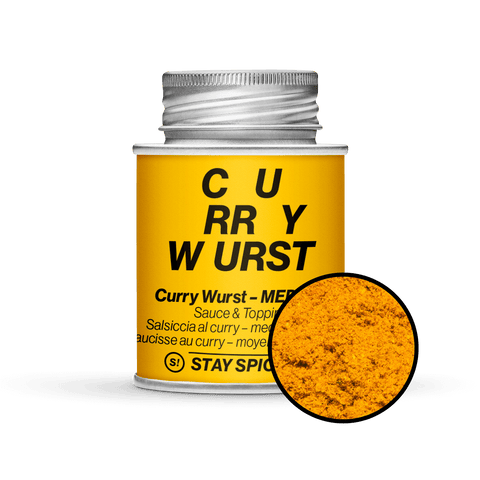
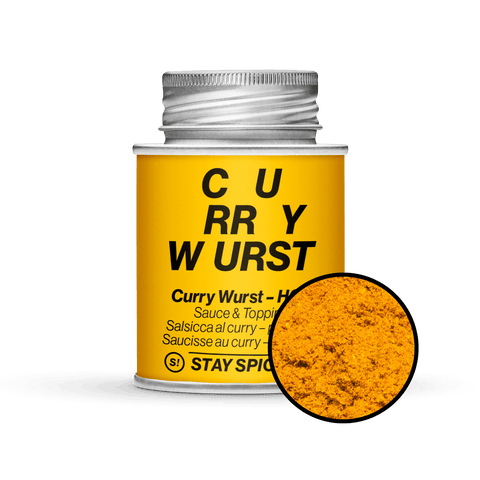
What actually has nothing to do with the traditional curry, but should of course not go unmentioned at this point for reasons of (food) cultural history, is the currywurst. This dish is part of Berlin's traditional identity and is of course also honored by STAY SPICED! with its own curry powders. Whether the currywurst is hot, medium-hot or mild: the real currywurst fan simply cannot pass it up. And whether you want it with or without casing is of course up to you.